In logistics, change rarely arrives with noise. It comes quietly — in the way a planner starts using a new dashboard, in how a warehouse supervisor leads her team differently, in how a transporter handles unexpected disruptions with calm precision.
A Human-Centric Transformation
2026 will not be shaped by technology alone. It will be shaped by the people who learn to work with that technology with confidence, discipline, and clarity. This is the new skill landscape forming across Southeast Asia. Not loud. Not dramatic. But deeply transformative.
1. The Skill of Seeing the Whole Picture
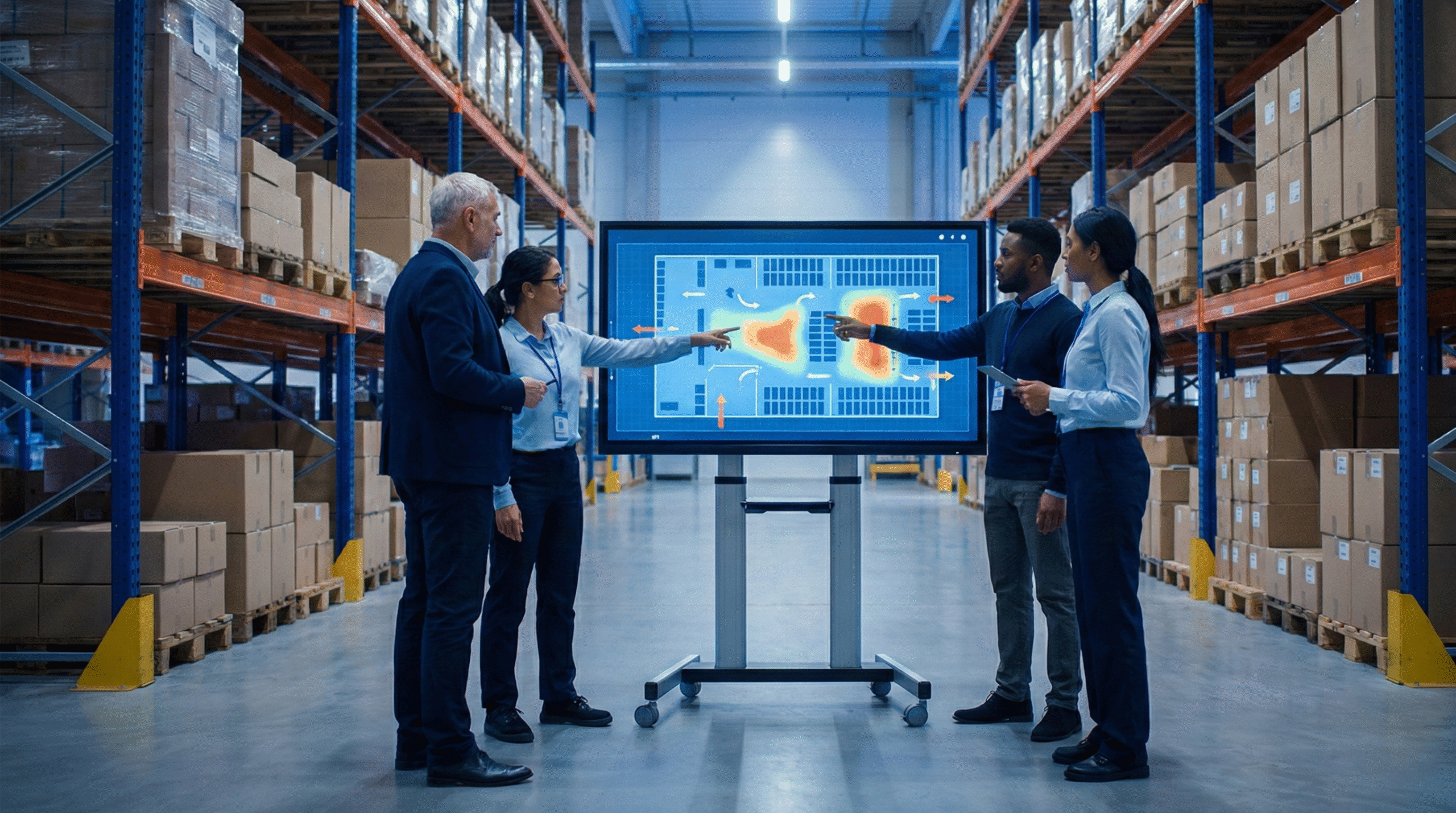
Modern logistics workers must see beyond their own station, aisle, or route. They need the ability to understand flow — how procurement affects warehouse load, how warehouse load affects transport delays, how delays affect customer trust. This “full-picture awareness” turns operators into decision-makers, and decision-makers into leaders.
2. The Skill of Working With Data, Not Fearing It
Across Thailand, Vietnam, Malaysia, Indonesia, and the Philippines, digital tools are entering every corner of operations. But data literacy is still uneven. The new skill is not advanced analytics. It is something simpler and more human: reading dashboards with confidence, spotting abnormal patterns, asking the right questions, and trusting numbers as allies, not threats. The future belongs to teams who treat data as a language they are fluent in.
3. The Skill of Calm Execution Amid Complexity
Logistics has always been unpredictable. Trucks break down. Shipments arrive early. Orders surge. Systems fail. But the leaders of 2026 will be those who can remain steady while others panic. Calm execution is a skill. It is built through structured SOPs, repetition, well-designed checklists, scenario practice, and the confidence that comes from good training. Calm professionals don’t avoid chaos. They guide others through it.
4. The Skill of Collaborative Problem-Solving
The old logistics model rewarded individual efficiency. The new model rewards collective capability. A picker who collaborates with replenishment. A planner who aligns with procurement. A supervisor who listens before giving orders. In 2026, logistics teams succeed not because they are fast, but because they are aligned. Collaboration is no longer a soft skill. It is an operational skill.
5. The Skill of Learning New Tools Without Resistance
Every logistics company now introduces WMS, TMS, yard visibility tools, digital checklists, workforce apps, and automated dashboards. The most valuable workers are the ones who adapt gracefully. Not with excitement. Not with fear. But with quiet willingness. “I don’t know this yet. But I can learn.” This mindset is becoming a competitive advantage — for individuals and organizations.
The Quiet Truth: Logistics Transformation Is Human Transformation
When Meyerize trains teams, we see something powerful: People don’t resist change. They resist change that feels unclear, rushed, or disconnected from their reality. But when training is structured — audit → train → transform → track — something shifts. Confidence grows. Curiosity returns. Teams begin to trust themselves again. The new skillset of 2026 is ultimately the skill of becoming better — slowly, consistently, deliberately.
The Companies That Invest in People Will Lead the Next Decade
Warehouses can be redesigned. Systems can be upgraded. Processes can be rewritten. But people — people shape the culture that sustains all of it. The organizations that rise in 2026 will be those who choose to elevate their teams, not replace them. And that is where transformation truly begins.
Meyerize — The Getting Things Done Company
Empowering the people who power the supply chain.